Entry · Ref D-IIXAH5
Wisdom Teeth Removal Aftercare: Dos and Don’ts
- Posted
- 2026-10-27
- Last amended
- 2026-10-27
- Account
- @lukasxdvf463
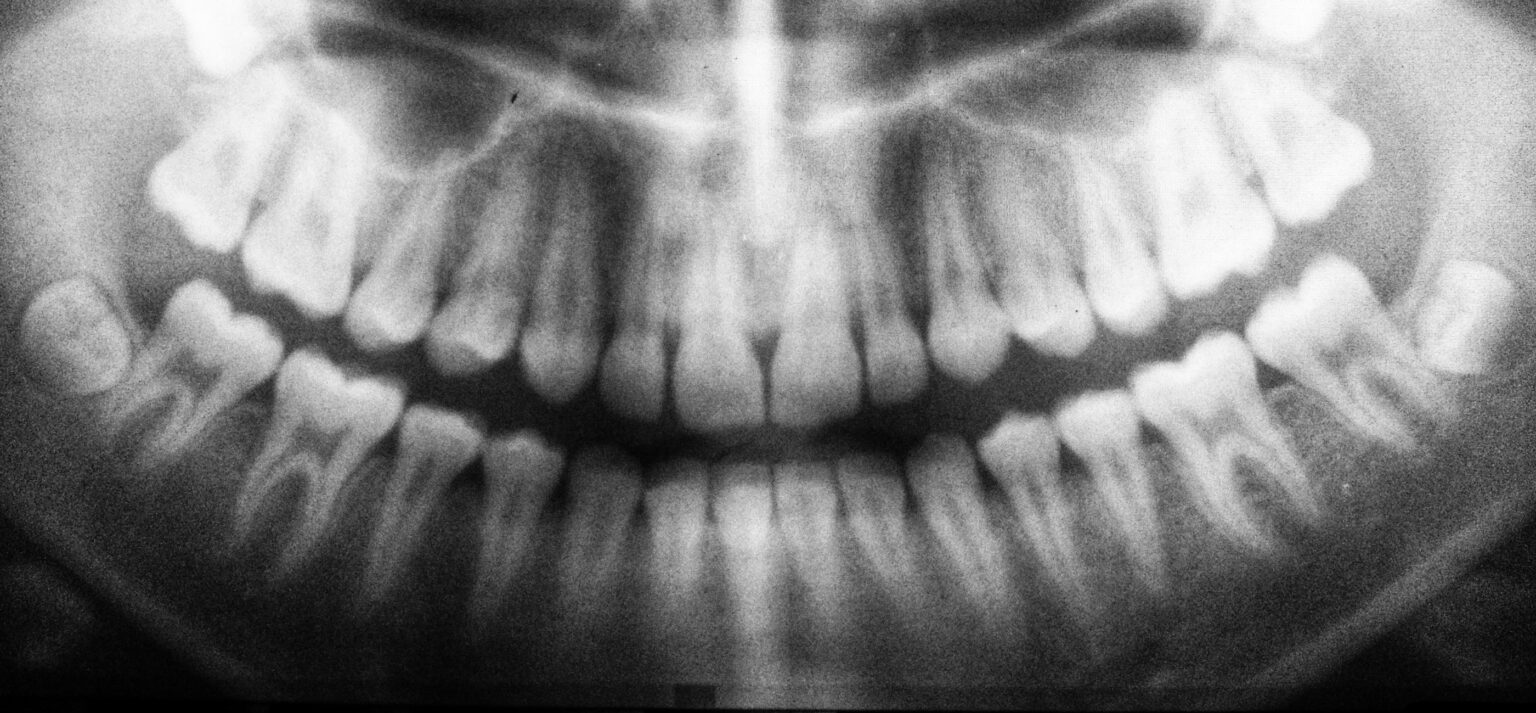
Wisdom teeth removal is routine, but the recovery period deserves more respect than many people give it. Most complications I see people talk about later were not caused by the procedure itself. They were caused by small aftercare mistakes made in the first two or three days, often because the patient felt decent and assumed the hard part was over.
That first week sets the tone for healing. A blood clot has to stay in place, swelling has to be controlled, and the mouth has to stay clean without being disturbed. The balancing act is simple in theory and surprisingly easy to get wrong in practice. People spit too hard, rinse too soon, eat something sharp, forget to drink enough water, or go back to the gym before their body is ready. None of those choices seems dramatic in the moment. Some of them can turn a manageable recovery into a miserable one.
If you are preparing for Wisdom Teeth Removal, or you just had it done, good aftercare comes down to judgment as much as instructions. Knowing what to do matters. Knowing what not to do matters just as much.
The first day is mostly about protecting the clot
Right after surgery, your body starts building a clot in each extraction site. That clot is not something to clean away. It is the beginning of healing. When people talk about dry socket, they are usually talking about a clot that was dislodged too early or never formed well enough in the first place. Dry socket is not subtle. Patients usually describe it as deep, throbbing pain that ramps up a couple of days after surgery rather than easing off.
For the rest of the day after your procedure, think in terms of protection and calm. Bite down on the gauze exactly as instructed, change it only when appropriate, and keep pressure steady rather than constantly checking the area. I know the temptation. People want to peek, rinse, or touch the socket with their tongue. That habit alone causes trouble. The mouth is an active place, and every unnecessary movement can interfere with early healing.
Bleeding often worries patients more than it should. A little oozing mixed with saliva can look like far more blood than it actually is. Light bleeding or pink saliva during the first day is common. Bright red bleeding that fills gauze quickly and continues despite firm pressure is different, and that is when you call your surgeon. Most people fall somewhere in the ordinary middle, where there is more mess than danger.
Rest matters more than many adults want to admit. If you had sedation, your body is coming off both the procedure and the medication. Even if you feel mentally alert later in the day, you are still healing. Keep your head elevated when resting. That simple step helps limit swelling and reduces pressure in the face.
Pain control works best before pain gets ahead of you
One of the most common mistakes after Wisdom Teeth Removal is waiting until the numbness wears off completely and pain is already strong before taking medication. Recovery is usually smoother when pain relief starts on schedule, according to the instructions you were given. Whether that means ibuprofen, acetaminophen, a prescription medication, or a combination plan depends on your health history and your surgeon’s advice.
Patients often ask which hurts more, upper or lower extractions. Lower wisdom teeth, especially impacted ones, usually produce a tougher recovery. The jaw can become stiff, swelling can be more noticeable, and opening the mouth may feel limited for a few days. That stiffness can be alarming if you are not expecting it. In most cases, it improves gradually as swelling comes down.
If your surgeon recommended icing, use it early. Cold helps most in the first 24 to 36 hours, when swelling is still Wisdom Teeth Removal building. Past that point, some people get more relief from gentle warmth, especially if jaw stiffness is the main complaint. Timing matters. Ice is for limiting swelling at the beginning. Warm compresses later can help muscles relax.
People react differently to pain medication. Some feel fine with over the counter options alone. Others need a prescription for the first night or two. The goal is not to be heroic. The goal is to stay comfortable enough to drink fluids, eat soft food, and sleep. A patient who cannot do those basic things tends to recover worse, not better.
Eating after surgery is less about hunger and more about strategy
The mouth heals better when the body is fed. The trouble is that appetite, chewing, and comfort rarely line up right away. Many patients either try to eat normal food too soon or go too long on almost nothing. Both choices can backfire.
Soft, cool, non-irritating food is usually the safest place to start. Yogurt, applesauce, pudding, smoothies eaten with a spoon, mashed potatoes, scrambled eggs, lukewarm soup, oatmeal once you can tolerate it, and cottage cheese are all common early options. The exact menu matters less than the texture. You want foods that do not crumble, scrape, or lodge easily in the extraction sites.
Temperature is worth paying attention to. Very hot foods and drinks can increase bleeding in the early stage. Let coffee, tea, and soup cool down. I have seen more than one recovery get rougher simply because someone celebrated getting home with a hot latte.
Protein and calories help healing, even when you are eating cautiously. A patient who lives on gelatin and a few crackers for two days often feels weak, nauseated, and more miserable than necessary. If chewing is limited, work around it with softer but more substantial foods. Greek yogurt, blended soups, soft fish, tofu, and smoothies with nut butter can make a noticeable difference.
One caveat with smoothies is important enough to repeat: do not use a straw. Suction is one of the classic dry socket risks. It sounds old-fashioned until you see how often this exact mistake comes up. Drink from a cup or use a spoon.
What people should actively avoid
Most aftercare instructions are built around a short list of avoidable triggers. They are not arbitrary. Each one addresses bleeding, clot stability, swelling, or infection risk.
Do not rinse vigorously on the first day. If your office gave you a specific timeline, follow it. Usually, gentle saltwater rinses begin after the first 24 hours, not before. Swishing hard feels productive but can undo healing.
Do not spit forcefully. Let saliva fall into a sink if you need to clear your mouth, or blot gently. Forceful spitting creates pressure changes that can dislodge a clot.
Do not smoke or vape. This is one of the strongest and most consistent risk factors for dry socket and delayed healing. The issue is not only suction, though that matters. Smoke and vapor also irritate tissue and reduce the conditions the mouth needs to heal well. I have heard every variation of “just one puff,” “I barely inhaled,” and “I covered the area with gauze.” None of those strategies reliably protects you.
Do not drink alcohol while you are actively bleeding, taking certain pain medications, or trying to stay hydrated. Alcohol can irritate tissue, interact with medications, and make it easier to neglect good recovery habits.
Do not eat crunchy, spicy, seedy, or hard foods too soon. Chips, nuts, popcorn, toast crust, rice that breaks into small grains, and spicy takeout are frequent troublemakers. Some foods are not painful going down, but they become a nuisance when fragments collect near the sockets.
Cleaning the mouth without sabotaging healing
Patients often swing to one extreme or the other. Some are afraid to clean their mouth at all. Others brush like normal and rinse aggressively because they cannot tolerate the taste of blood. Neither approach is ideal.
The mouth should stay as clean as possible, but gently. Brush your other teeth as usual the day after surgery unless your surgeon told you otherwise, being careful around the extraction areas. A soft toothbrush helps. Plaque buildup, leftover food, and a dry mouth can make recovery more uncomfortable and can add odor or bad taste, which patients sometimes mistake for infection.
Saltwater rinses are simple and useful once they are appropriate to begin. They should be gentle, more of a careful bath than a forceful swish. Let the water move around the mouth softly, then let it fall out rather than spitting. People are often surprised by how much better the mouth feels once they start this consistently.
If your surgeon gave you a syringe for irrigation, the timing matters. Irrigating too early can disturb healing tissue. Starting too late or using it carelessly can leave debris behind. Lower extraction sites tend to trap more food, especially if the teeth were impacted. That can create a persistent bad taste or odor without necessarily meaning infection. The fix is usually proper, gentle cleaning, not panic.
Swelling, bruising, and stiffness can all be normal
A lot of normal recovery looks dramatic in the mirror. Swelling usually peaks around the second or third day. That means you may look puffier tomorrow than you do today, even if the surgery itself went smoothly. Bruising along the jaw or neck is not unusual, especially in fair-skinned patients or after more involved extractions.
Jaw stiffness can make people worry they are “stuck” that way. They are not. Limited opening is common for a few days, particularly after lower wisdom teeth are removed. Chewing gum or forcing the mouth wide open is not the answer. Gentle use, time, and reduced swelling usually improve the range of motion.
Sleeping flatter than usual can make morning swelling look worse. Elevating your head for the first couple of nights helps. It is not glamorous advice, but it works. Many patients feel significantly better on day four or five, then overdo it because the worst seems to have passed. That is a classic moment for setbacks. Healing tissue is still fragile even when pain is improving.
Hydration quietly determines how you feel
People do not talk enough about hydration after oral surgery. A dry mouth feels worse, medications can hit harder on an empty dehydrated system, and fatigue becomes more pronounced. If you are drinking very little because swallowing feels awkward, that alone can make recovery feel more difficult than it needs to.
Take small, regular sips. Water is best, but diluted juice, milk, oral rehydration drinks, and cool broth can help if plain water gets boring. What matters is consistency. You do not need to chug, and you definitely do not need a straw. You need steady intake.
A practical sign that hydration is lagging is when the mouth feels sticky, the urine gets dark, and standing up makes you feel a little lightheaded. That does not automatically mean something serious is wrong. It usually means you need to make fluid intake a priority for the next several hours.
Activity should return gradually, not all at once
Patients often ask when they can exercise again. The honest answer is that it depends on how difficult the surgery was, how much swelling you have, whether you are taking sedating medication, and how your bleeding is doing. But as a rule, hard exercise too early is a bad bargain. It increases blood pressure, can restart bleeding, and tends to leave people more swollen afterward.
A short walk is different from heavy lifting, interval training, or contact sports. Gentle movement is usually fine once you are steady on your feet and off the immediate effects of sedation. Returning to intense workouts often makes sense only after the early healing window has passed and bleeding has clearly stopped.
I have had patients insist that because they “only had one tooth out,” the usual restrictions should not apply. Sometimes they are right and recovery is easy. Sometimes that confidence lasts until the socket starts throbbing after a gym session. Wisdom tooth recovery is not the time to test your resilience.
What is normal, and what deserves a phone call
A good recovery still includes unpleasant moments. Some pain, swelling, stiffness, a little oozing, and an odd taste in the mouth can all fall within the normal range. The pattern matters more than the presence of symptoms. Recovery should trend in the right direction after the first couple of days, even if it is not perfectly linear.
These are the signs that should prompt you to contact your surgeon:
- Bleeding that stays heavy despite firm pressure with gauze.
- Pain that sharply worsens after initially improving, especially around day two to four.
- Fever, increasing facial swelling, or pus-like drainage.
- Trouble swallowing, trouble breathing, or severe nausea and vomiting.
- Numbness that persists longer than your surgeon said to expect.
Dry socket deserves a special mention because people use the term loosely. It is not just “my mouth still hurts.” It is typically significant pain that radiates toward the ear or jaw, often with bad breath or an unpleasant taste, and it tends to show up after the first day rather than immediately after surgery. If that description fits, call. It is treatable, and getting proper care is far better than suffering through it.
A few supplies make recovery easier
You do not need a pharmacy haul, but a handful of items can save frustration, especially later in the evening when stores are closed.
- Extra gauze pads approved by your surgeon.
- Soft foods and drinks that do not require chewing or a straw.
- An ice pack or cold compress that can be rotated comfortably.
- A soft toothbrush and, if prescribed, any rinse or medications.
- A couple of pillows to keep your head elevated.
One practical point people overlook is timing prescriptions. If possible, fill them before the day of surgery. Waiting until the numbness wears off and then discovering the pharmacy has a line or a delay is avoidable misery.
Different ages and situations can change the recovery picture
A healthy teenager having partially erupted wisdom teeth removed often bounces back faster than a thirty-something adult with deeply impacted lower teeth. Age is not everything, but it does influence healing, swelling, and stiffness. The procedure itself matters too. Surgical extractions that involve bone removal or sectioning the tooth generally mean a more involved recovery than a straightforward pull.
Medical history counts. Patients with clotting disorders, diabetes, immune suppression, or certain medication regimens need more individualized guidance. Oral contraceptives, for example, have been associated with a higher risk of dry socket in some patients. That does not mean complications are inevitable. It means following your surgeon’s instructions carefully becomes even more important.
If you are caring for a teen after surgery, keep an eye on the basics rather than assuming “no complaints” means everything is being done correctly. Teenagers commonly feel better for an hour and decide they are ready for pizza, a straw, or a nap lying flat. Adults make the same mistakes, to be fair, but teenagers tend to move faster before thinking it through.
The small habits that make the biggest difference
The smoothest recoveries usually come from boring discipline. Patients who rest, hydrate, eat soft food, take medication as directed, avoid suction, and clean gently tend to do well. It is not glamorous. It is effective.
There is also a mental side to aftercare. The mouth is impossible to ignore. Every sensation feels amplified because it is in the center of eating, drinking, speaking, and sleeping. A strange taste, a white film, or a socket that looks “empty” can set off unnecessary worry. Healing tissue often looks odd to people who are seeing it up close for the first time. If something feels seriously wrong, call your surgeon. If it simply looks unfamiliar, remember that normal healing is not always pretty.
What matters most after Wisdom Teeth Removal is not perfection. It is reducing avoidable irritation while your body does the repair work it already knows how to do. Protect the clot, keep the mouth clean without being aggressive, feed yourself gently, and respect the timeline even when you start feeling better before you are fully healed. That is the difference between a recovery that is merely inconvenient and one that drags on longer than it should.
Oxnard Dentistry
1730 E Gonzales Rd, Oxnard, CA 93036, United States
+1 805-307-8731
FAQ About Wisdom Teeth Removal
How painful is it to remove a wisdom tooth?
Local anesthetic numbs the area during extraction. Pressure may still be noticeable; tell the dentist if you feel pain. Soreness and swelling afterward are common. Follow the pain-control instructions provided for your situation.
How long is recovery for wisdom teeth extractions?
Recovery varies with the tooth position and complexity of the extraction. Some people resume routine activities quickly, while others need several days of rest. Soreness, swelling and jaw stiffness can last up to two weeks. Follow your clinician's aftercare and activity advice.
What are the risks of wisdom tooth removal?
Possible complications include dry socket, infection, persistent bleeding and changes in sensation from nearby nerve injury. Your dentist or oral surgeon should explain your individual risks before treatment. Seek prompt dental advice for bleeding that will not stop, fever, or severe or worsening pain and swelling.