Entry · Ref JAW7NPJY
Why Dentists Recommend Wisdom Teeth Removal
- Posted
- 2026-10-27
- Last amended
- 2026-10-27
- Account
- @lukasxdvf463
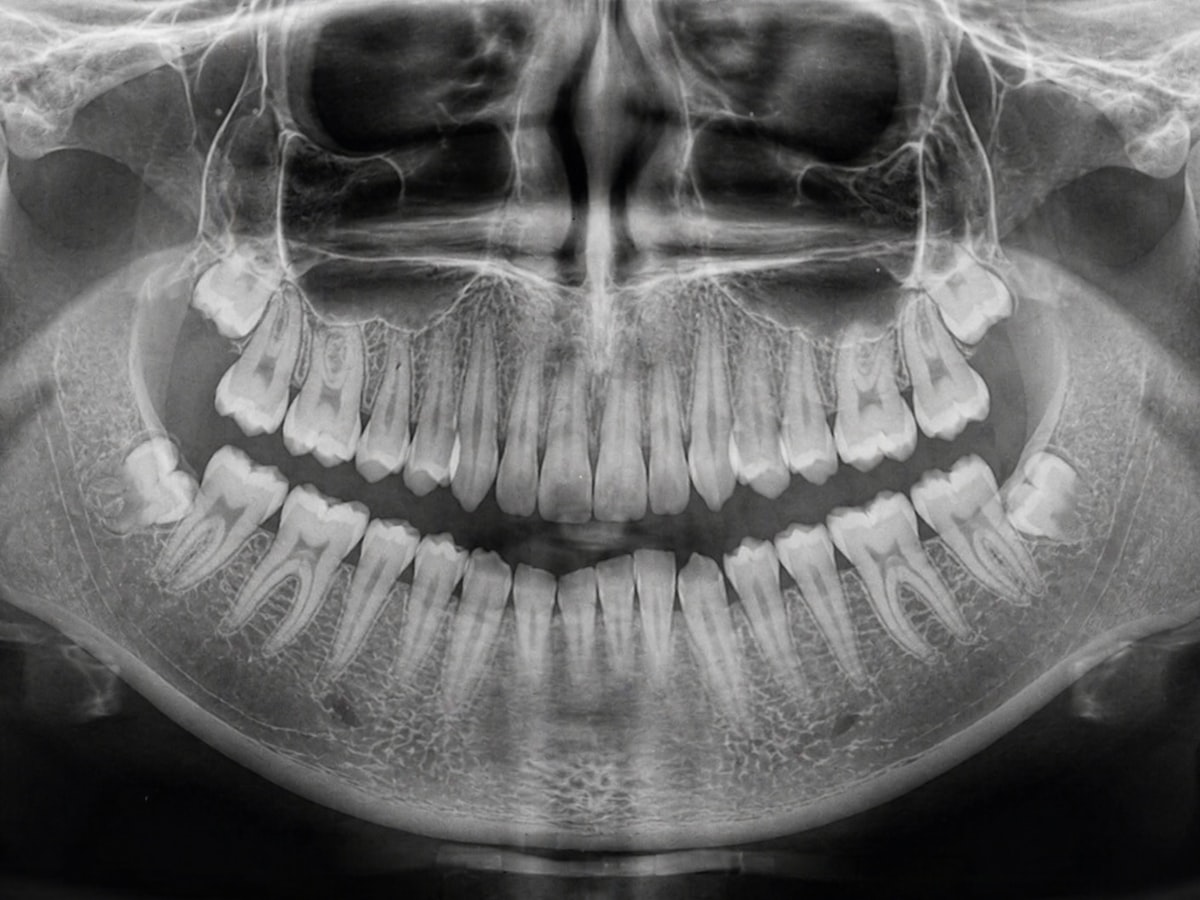
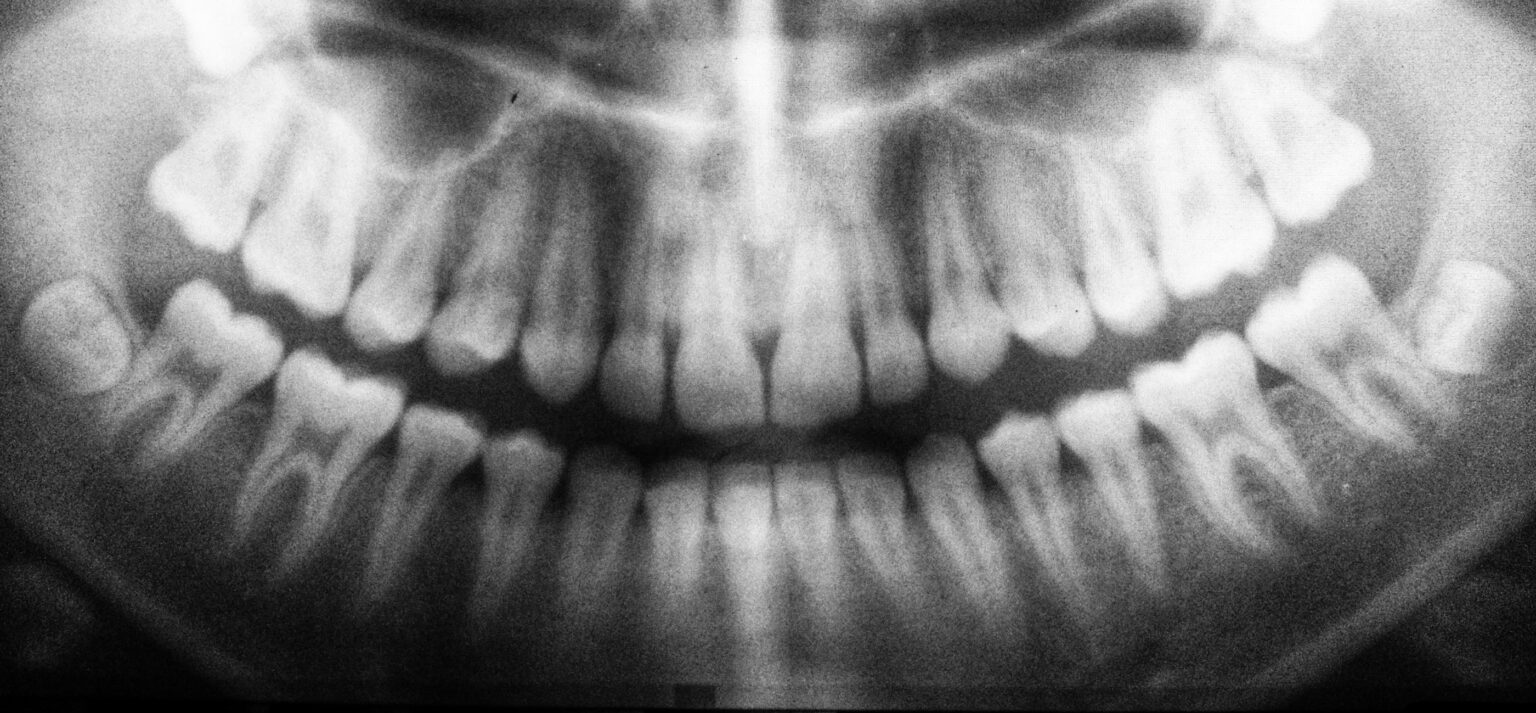
Wisdom teeth tend to arrive late and make an entrance that is far less graceful than their name suggests. These third molars usually erupt in the late teens or early twenties, a stage when many patients assume that if their mouths have felt fine so far, they are in the clear. Then an x-ray tells a different story. A wisdom tooth is tilted sideways. Another is trapped under the gum. A third has partly erupted and is creating a pocket where bacteria and food debris collect. This is the point where many people first hear the recommendation for Wisdom Teeth Removal, and it often raises an obvious question: if the teeth are not hurting much, why remove them at all?
Dentists recommend removal because wisdom teeth commonly create problems that are difficult to manage and rarely improve on their own. The reason is not that wisdom teeth are automatically bad teeth. It is that they are the last permanent teeth to erupt, and by the time they try to come in, there is often not enough room left in the jaw. When space is limited, the path of eruption becomes unpredictable. These teeth may erupt normally, remain buried, or emerge halfway and then stall. That last scenario, the partly erupted wisdom tooth, is a frequent source of trouble because it becomes a sheltered area for plaque, inflammation, and infection.
A recommendation for removal is usually based on anatomy and risk, not habit. When a dentist looks at wisdom teeth, the concern is rarely just the tooth itself. It is the impact on the gum tissue, the neighboring second molar, the bite, and the patient’s long-term oral health.
The real problem is lack of space
Human jaws have become smaller over time, while the number of teeth has stayed the same. Whether that shift is due to changes in diet, development, or both, the practical result in the dental chair is clear: many mouths simply do not have enough space for four extra molars at the very back. Even in patients with otherwise straight teeth, wisdom teeth can end up crowded against bone, leaning into adjacent teeth, or sitting so far back that keeping them clean becomes unrealistic.
That matters because molars are large, broad teeth with deep grooves. They are useful when they erupt properly and can be brushed and flossed. Wisdom teeth often fail that test. Their position at the very back of the mouth makes them hard to reach even for diligent brushers. Add partial eruption or an awkward angle, and the area becomes a perfect place for chronic inflammation.
Dentists often explain this with a simple comparison. A healthy tooth in a healthy position is like a house with a clear driveway, intact roof, and easy access for maintenance. An impacted or partially erupted wisdom tooth is more like a house tucked behind a retaining wall with a leaking roof and no road access. You can keep trying to patch the problem, but the structure is working against you.
Pain is not the only reason
One of the most common misunderstandings is that wisdom teeth only need attention when they hurt. Pain is certainly one reason for removal, but it is not the only one, and in some cases it is not even the most important one. A wisdom tooth can damage nearby structures quietly for months or years before noticeable pain begins.
Dentists often recommend Wisdom Teeth Removal for issues such as:
- Repeated gum infections around a partly erupted tooth, often called pericoronitis.
- Cavities in the wisdom tooth or the second molar in front of it.
- Pressure or contact that threatens the health of the neighboring tooth.
- Cysts or other pathologic changes around an impacted tooth.
- A position that makes long-term cleaning and monitoring unreliable.
Pericoronitis is especially common. The gum flap over a partly erupted wisdom tooth traps bacteria and food, then swells and becomes tender. Patients often report soreness when chewing, a bad taste, or trouble opening fully. Sometimes it settles down with cleaning, rinses, or antibiotics, only to flare up again a few months later. That pattern is one of the clearest examples of why temporary relief is not the same as a durable solution.
Cavities present another strong reason for removal. A wisdom tooth tilted into the Wisdom Teeth Removal tooth in front of it can create a contact point that traps plaque in a spot where a toothbrush cannot reach. The result may be decay in the second molar, which is the tooth a patient is far more likely to need for life. In practice, dentists are often trying to protect that second molar as much as they are treating the wisdom tooth.
What impacted wisdom teeth actually do
The term impacted gets used often, but patients do not always hear what it means in practical terms. An impacted wisdom tooth is one that cannot erupt normally into the mouth because it is blocked by bone, gum tissue, or another tooth. Some are fully buried and asymptomatic. Others push at awkward angles. The angle matters because it changes the risk profile.
A tooth angled forward into the second molar can cause decay or root damage where the two teeth meet. A tooth that is upright but trapped under the gum may be quiet for years, then begin to create pressure or cyst formation. A tooth that partly erupts may become a chronic infection site. This is why dentists rely on both the clinical exam and imaging. Looking in the mouth tells only part of the story. The x-ray reveals root shape, depth, angle, bone coverage, and the tooth’s proximity to nerves or the sinus.
Not every impacted wisdom tooth is an emergency. Some can be monitored. But “monitoring” in dentistry has a narrower meaning than many people assume. It does not mean ignoring the tooth because it is not hurting. It means periodic assessment, usually with exams and occasional x-rays, to make sure it is not quietly causing trouble.
Timing matters more than many people realize
Dentists often recommend removing wisdom teeth in the late teens or early twenties, and there is a practical reason for that timing. At younger ages, the roots may not be fully formed, the surrounding bone is generally less dense, and healing tends to be faster and smoother. None of that means older adults cannot have wisdom teeth removed successfully. They can, and many do. It does mean the procedure can become more complicated as roots mature and bone becomes denser.
This is one of those recommendations that can sound more aggressive than it really is. The goal is not to remove teeth for convenience. The goal is to intervene at a point when the risks are lower and the potential benefits are clearer. Waiting sometimes turns a relatively straightforward extraction into a more involved surgical procedure.
A typical example is the patient whose lower wisdom teeth are lying sideways but not yet causing oxdentistry.com Wisdom Teeth Removal major symptoms at age eighteen. By age thirty, the same teeth may have contributed to gum pockets behind the second molars, recurrent inflammation, or decay in a neighboring tooth. At that point, extraction still helps, but the patient has already paid a price for waiting.
Why some dentists recommend removal before serious symptoms appear
Preventive extraction can be difficult for patients to accept, especially when daily life feels unaffected. The hesitation is understandable. Any surgery deserves a clear reason. What dentists have learned over years of follow-up is that wisdom teeth often declare themselves on their own timeline, and that timeline is rarely convenient.
They can flare up during final exams, military training, travel, pregnancy, or the first year of a demanding job. They can become problematic after years of silence. A patient may be told at nineteen that a lower wisdom tooth is partly impacted and hard to clean, then show up at twenty-six with swelling and a cavity on the second molar. That does not mean disaster is inevitable for everyone. It does mean the recommendation is often based on patterns seen repeatedly in clinical practice.
There is also a difference between what is technically possible and what is predictably maintainable. A patient may be able to keep a difficult wisdom tooth clean with meticulous hygiene, water irrigation, and regular professional care. Some do exactly that and do well. Many do not, not because they are careless, but because the tooth sits in a position that defeats ordinary home care.
Not every wisdom tooth needs to come out
This point deserves emphasis because good dentistry is not one-size-fits-all. Some wisdom teeth erupt fully, line up well with the opposing tooth, and can be cleaned like any other molar. If they are healthy, functional, and not harming surrounding tissues, there may be no reason to remove them.
Dentists look at several factors before advising against removal: whether the tooth is fully erupted, whether it can be cleaned well, whether it has healthy gum support, whether the bite is functional, and whether x-rays show any hidden concern. In older adults who have symptom-free wisdom teeth with stable bone and gum health, watchful observation may be entirely reasonable.
That said, a tooth being present is not the same as a tooth being useful. A wisdom tooth that has erupted but has no opposing partner may over-erupt and irritate the gum. A tooth that technically fits in the mouth but repeatedly traps food may remain a nuisance and a disease risk. The recommendation comes down to function, hygiene, and foreseeable consequences.
What dentists see on x-rays that patients cannot feel
Much of the wisdom tooth conversation happens because imaging reveals risk before symptoms begin. Panoramic x-rays, and in selected cases three-dimensional scans, help dentists assess more than just whether the teeth are present.
They look at root development, because shorter or partially formed roots can make removal simpler. They assess angulation, because a mesially angled tooth pressing into the second molar carries different concerns than a vertically positioned tooth under bone. They study the relationship to the inferior alveolar nerve in the lower jaw and the sinus in the upper jaw, because those structures influence surgical planning. They also look for the earliest signs of damage to the neighboring tooth, changes in the follicle around the crown, and bone loss behind the second molar.
Patients are sometimes surprised to learn that a completely buried wisdom tooth can still matter. If the surrounding tissues remain stable, it may simply be observed. If the x-ray shows changes that suggest a cyst or damage to an adjacent tooth, the recommendation shifts. This is why a dentist may sound concerned even when the patient has never felt pain in that area.
The trade-offs patients should understand
Any honest recommendation for Wisdom Teeth Removal should include a discussion of trade-offs. Removal is a surgical procedure. It involves temporary discomfort, swelling, a recovery period, and a small risk of complications such as dry socket, infection, bleeding, sinus involvement for upper teeth, or temporary numbness for some lower teeth that sit near the nerve. Those risks vary depending on age, health history, smoking status, root anatomy, and the exact position of the tooth.
The other side of the ledger is the risk of keeping the tooth. That may include repeated infections, cavities, gum disease around the second molar, cyst formation, pain, and the potential need for a more difficult extraction later. Good clinical judgment weighs those two sides carefully. The right answer is not always immediate removal, but it should never be passive neglect dressed up as patience.
A careful dentist also distinguishes between urgent removal and strategic removal. If a patient has active swelling, fever, or difficulty swallowing, that is a more immediate concern. If the issue is a high-risk tooth with no current symptoms, the conversation becomes one of planning, timing, and informed choice.
What recovery is usually like
Most people want to know not just why removal is recommended, but what life looks like afterward. Recovery varies. A simple erupted tooth may cause only a few days of soreness. Impacted lower wisdom teeth usually involve more swelling and stiffness, especially in the first seventy-two hours. Many patients are back to school or desk work within a few days, though heavy exercise often needs to wait longer.
The basics that matter most after surgery are simple:
- Protect the blood clot in the socket during the first few days.
- Control swelling with cold packs early, then transition as advised by the surgeon.
- Keep the mouth clean without disturbing the surgical sites.
- Stay hydrated and choose soft foods that do not require vigorous chewing.
- Follow medication instructions exactly, especially for pain control and infection prevention if prescribed.
Dry socket deserves a brief mention because it is the complication patients hear about most often. It occurs when the blood clot at the extraction site breaks down or becomes dislodged too soon, exposing bone and causing significant pain. Smoking, forceful spitting, using straws, and difficult lower extractions can increase the risk. It is treatable, but prevention makes the first week much easier.
An uncomplicated recovery is usually steady rather than dramatic. Day one often brings numbness giving way to soreness. Days two and three can bring peak swelling. Then things usually begin to improve in a more noticeable way. Patients often feel better before the sockets look fully healed, which is normal. Gum tissue closes faster than deeper bone remodels.
Questions patients ask, and what tends to matter most
One common question is whether wisdom teeth cause crowding in the front teeth. The answer is more nuanced than many people were once told. Front tooth crowding can happen over time for several reasons, including natural age-related changes in the bite and dental arches. Wisdom teeth may contribute pressure in some cases, but they are not the sole or universally accepted explanation for lower incisor crowding. Dentists are usually on firmer ground when they point to infection risk, hygiene challenges, decay, and damage to adjacent teeth.
Another question is whether all four wisdom teeth need to be removed if only one is causing trouble. Sometimes yes, sometimes no. If the other wisdom teeth show poor position, poor hygiene access, or matching risk factors, removing them during the same treatment window can make sense. If the others are healthy and likely to remain so, a selective approach may be reasonable. This is a classic area where individualized planning matters more than broad rules.
Patients also ask whether they can wait until pain starts. They can, but that choice has consequences. Waiting may mean the procedure happens under less favorable circumstances, with more inflammation, more mature roots, and more disruption to work or school. For some patients, watchful waiting is acceptable. For others, it amounts to postponing a problem that is already visible on the x-ray.
When watchful waiting makes sense
There are situations where a dentist may recommend observation rather than immediate extraction. A fully erupted wisdom tooth that functions well, has healthy gums, and can be cleaned thoroughly may be left in place. A deeply buried wisdom tooth in an older adult, especially one that has been stable for many years and sits near a nerve, may be better observed than removed unless symptoms or radiographic changes appear.
Judgment matters here. The decision should factor in the patient’s age, medical history, access to follow-up care, risk tolerance, travel plans, orthodontic considerations, and the reliability of home hygiene. A college student about to leave for a year abroad with a history of repeated gum flares presents a different picture than a forty-eight-year-old with stable, asymptomatic, fully erupted third molars.
This is where the best dental advice sounds less like a script and more like a conversation. The dentist explains what the images show, what the likely paths are, what the risks of surgery look like now versus later, and what can realistically be maintained. Patients deserve that level of clarity.
Why the recommendation is often about protecting the teeth you want to keep
At first glance, Wisdom Teeth Removal can seem focused on removing a troublesome extra tooth. In practice, the recommendation is often about preserving the health of the second molars, the gum tissue around them, and the overall stability of the back of the mouth. Dentists are usually trying to prevent a smaller, removable problem from becoming a larger, more expensive one.
That preventive mindset can be hard to appreciate when the current symptoms are mild or absent. Yet some of the most frustrating cases involve patients who delayed care until a neighboring tooth had already developed a cavity below the gumline or lost supporting bone. At that point, the issue is no longer just the wisdom tooth. It is the collateral damage.
A sound recommendation for removal should never be reflexive. It should come from the specifics of the case, the anatomy, the x-rays, the pattern of symptoms, and the likely future course. When dentists recommend removing wisdom teeth, the goal is usually straightforward: reduce the chance of infection, protect adjacent teeth, and deal with a common problem before it becomes a more serious one.
Oxnard Dentistry
1730 E Gonzales Rd, Oxnard, CA 93036, United States
+1 805-307-8731
FAQ About Wisdom Teeth Removal
How painful is it to remove a wisdom tooth?
Local anesthetic numbs the area during extraction. Pressure may still be noticeable; tell the dentist if you feel pain. Soreness and swelling afterward are common. Follow the pain-control instructions provided for your situation.
How long is recovery for wisdom teeth extractions?
Recovery varies with the tooth position and complexity of the extraction. Some people resume routine activities quickly, while others need several days of rest. Soreness, swelling and jaw stiffness can last up to two weeks. Follow your clinician's aftercare and activity advice.
What are the risks of wisdom tooth removal?
Possible complications include dry socket, infection, persistent bleeding and changes in sensation from nearby nerve injury. Your dentist or oral surgeon should explain your individual risks before treatment. Seek prompt dental advice for bleeding that will not stop, fever, or severe or worsening pain and swelling.