Entry · Ref HQUZ7U5X
How Wisdom Teeth Removal Can Improve Comfort and Function
- Posted
- 2026-10-27
- Last amended
- 2026-10-27
- Account
- @lukasxdvf463
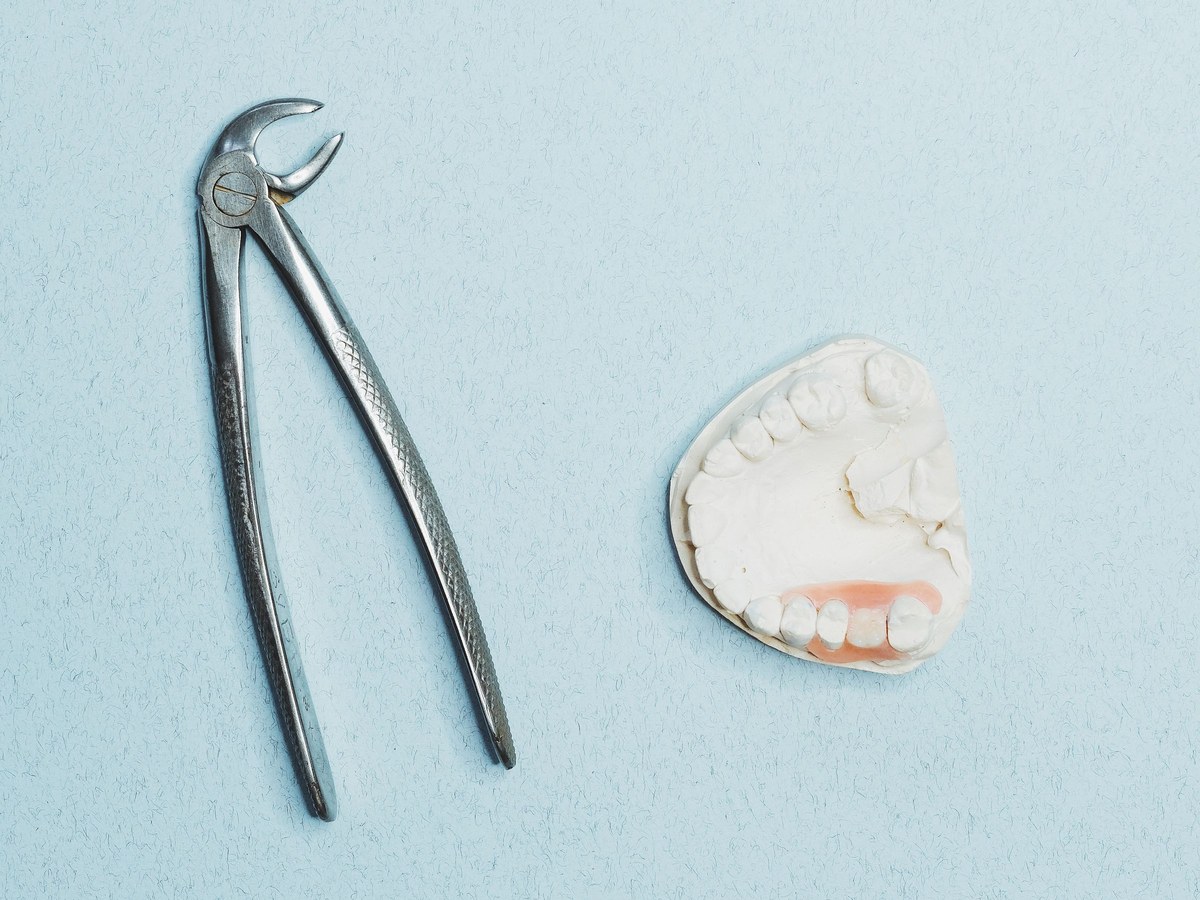
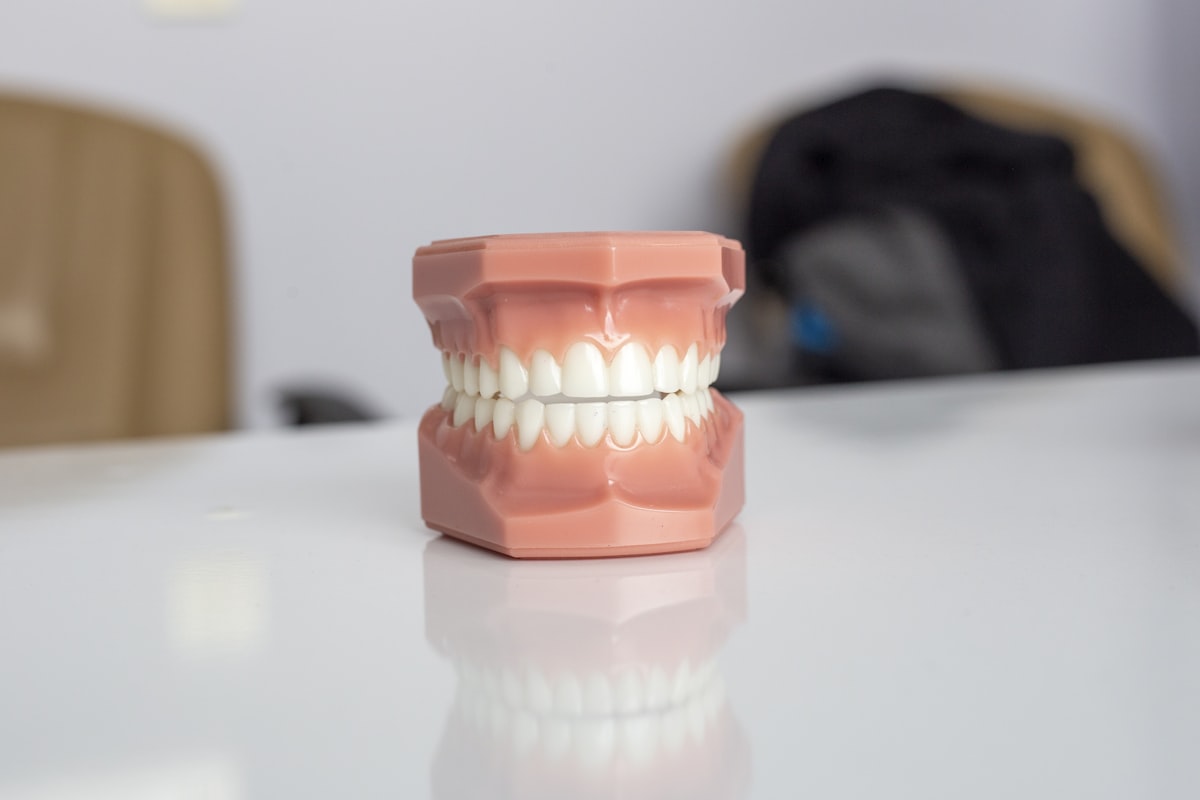
For many people, wisdom teeth remain a background issue until they stop being quiet. A dull ache behind the molars turns into pressure that spreads into the jaw. Floss starts catching in the same area every night. One side feels swollen after chewing, or a strange taste appears near the gumline and keeps returning. These are the moments when a common procedure starts to feel very personal.
Wisdom teeth removal is often discussed as if it were routine and simple, and in many cases it is. What gets lost in that framing is the reason dentists and oral surgeons recommend it in the first place. The goal is not to remove teeth for the sake of removing them. The goal is to preserve comfort, protect nearby teeth and gums, and maintain the way the mouth works day to day. When a third molar is healthy, fully erupted, easy to clean, and not causing damage, it may simply be monitored. When it is not, removal can change far more than a single sore spot in the back of the mouth.
The benefit often comes down to function. Chewing should feel balanced. Opening wide should not create tension at the angle of the jaw. Gum tissue around the back molars should not repeatedly swell, trap food, or bleed. The mouth tends to perform best when it is easy to keep clean and when each tooth has enough space to sit without crowding its neighbors. Wisdom teeth can interfere with all of that, especially when they are impacted, partially erupted, or angled into the second molars.
Why wisdom teeth become a problem
Third molars usually erupt later than the rest of the permanent teeth, often during the late teens or early twenties. By that point, the dental arch may already be full. Some people have enough room for those teeth to come in normally, but many do not. Limited space is the root of a long list of practical problems.
A wisdom tooth does not have to be completely trapped under the gums to cause trouble. Partially erupted teeth are often the most frustrating. They create a small flap of gum tissue where plaque and food debris collect. That area is difficult to brush well because it sits so far back, and many patients simply cannot reach it consistently without triggering gagging or discomfort. The result is repeated inflammation, tenderness, bad breath, or infection.
Impacted teeth create a different kind of issue. If a tooth is angled forward into the second molar, it can place pressure on that tooth and make cleaning between them almost impossible. Over time, decay or gum damage may develop on the second molar, which matters because the second molar is the more valuable tooth from a functional standpoint. Saving a useful tooth often means deciding not to gamble with a problematic third molar.
I have seen cases where the patient came in because the jaw felt tight, yet the real culprit was not a joint problem at all. It was a lower wisdom tooth pushing sideways under the gum, creating pressure and chronic inflammation. Once the tooth was removed and the area healed, the “jaw problem” largely settled. Not every symptom in the back of the mouth traces to a wisdom tooth, but enough do that the possibility deserves a serious look.
Comfort is not a small thing
Dental discomfort has a way of spreading beyond the mouth. People chew differently on one side. They stop opening fully when they yawn. They clench because the area feels irritated. They wake at night when a low-grade ache flares into something sharper. None of this sounds dramatic on paper, yet it affects sleep, eating, concentration, and mood.
Wisdom Teeth Removal can improve comfort by removing a source of repeated irritation. That may mean ending the cycle of gum infections around a partially erupted tooth. It may mean relieving pressure caused by impaction. It may simply mean eliminating a hard-to-clean trap where food packs after every meal.
Patients often describe the change in plain terms. They say the back of the mouth feels “quiet” again. They stop noticing that side when they chew. Their breath feels fresher because inflamed gum tissue is no longer holding bacteria in a pocket at the very back. Those are modest gains individually, but together they improve daily quality of life more than many expect.
Pain is not the only form of discomfort. Some wisdom teeth cause recurring swelling without much pain. Others create soreness that comes and goes so unpredictably that people postpone treatment for months, convincing themselves the problem is minor because it calmed down last week. Intermittent symptoms can be deceptive. If a tooth repeatedly inflames the gum or traps debris, the absence of pain on a given day does not mean the underlying issue has resolved.
Better oral function starts with better access
A comfortable mouth is easier to use, but function goes further than comfort. Function includes biting, chewing, speaking, opening, and cleaning. Wisdom teeth can interfere with each of these in small but important ways.
Chewing is the easiest example. If the tissue around a lower third molar is inflamed, hard or crunchy foods tend to hit that area first and aggravate it. Patients adapt by chewing on the other side, taking shorter bites, or avoiding certain foods entirely. That compensation may seem harmless, yet over time it can make eating feel uneven and tiring.
Cleaning function matters just as much. A mouth that is difficult to clean is a mouth at greater risk. The back corners around wisdom teeth are notorious plaque-retention zones. When those teeth are partly covered by gum, angled awkwardly, or pressed against adjacent molars, even motivated patients struggle to maintain them. Removing a nonfunctional or damaging third molar often makes the back of the mouth more accessible, which improves brushing and flossing around the second molars. That is a practical win, not a cosmetic one.
Speech is less commonly affected, but it can matter in certain cases, particularly when swollen tissue in the back of the mouth changes tongue space or creates persistent soreness. Jaw opening can also improve if inflammation has been limiting movement. Again, this is not universal, but it is common enough that many patients notice they can open more comfortably after healing.
The second molar is often the tooth worth protecting
When dentists discuss wisdom teeth, the conversation often centers on the third molar itself. A better question is what that tooth is doing to the rest of the mouth.
The second molar, the tooth just in front of the wisdom tooth, plays a major role in chewing. If an impacted or poorly positioned wisdom tooth increases the risk of decay, gum loss, or root damage to the second molar, the balance shifts quickly toward removal. Preserving the healthier, more functional tooth becomes the priority.
One of the most frustrating situations in practice is seeing decay form on the back surface of a second molar because a partly erupted wisdom tooth made that area impossible to clean. Patients usually do not feel that decay early. By the time it is visible on an X-ray or starts to cause symptoms, treatment may involve a difficult filling, root canal therapy, or even extraction of the second molar in severe cases. That is a heavy price to pay for leaving a problematic third molar in place too long.
This is where timing matters. A wisdom tooth that is not causing pain today may still be threatening the tooth in front of it. Clinical exams and imaging help clarify that risk. The decision should be individualized, but the broader principle is simple: comfort matters, and preservation of healthy function matters even more.
When removal tends to help most
There is no single rule that fits everyone, but certain patterns consistently point toward benefit. The strongest candidates are usually people whose wisdom teeth are hard to clean, repeatedly inflamed, angled into adjacent teeth, associated with decay or gum pockets, or causing pressure and food impaction.
Here are common signs that removal may improve comfort and function:
- Recurrent swelling, tenderness, or infection around the back molars
- Food trapping or bad taste near a partially erupted wisdom tooth
- Difficulty cleaning the area despite good home care
- Evidence that the wisdom tooth is affecting the second molar
- Pressure, jaw soreness, or biting discomfort tied to the tooth’s position
What is important here is the pattern, not a single symptom in isolation. One brief episode of gum irritation does not automatically mean surgery is necessary. Repetition, structural problems on imaging, and damage to nearby teeth make the recommendation stronger.
Age, healing, and the judgment call
People often hear that wisdom teeth are easier to remove at a younger age. Broadly speaking, that is true. Roots may be less fully formed, Wisdom Teeth Removal bone tends to be more forgiving, and healing is often smoother in the late teens and twenties than it is later in adulthood. That said, plenty of adults in their thirties, forties, and beyond have successful removals with uneventful recovery.
The real issue is not age alone. It is the mix of anatomy, symptoms, and risk. A healthy 35-year-old with a repeatedly infected, partially erupted lower wisdom tooth may benefit more from removal than an 18-year-old with symptom-free, fully erupted third molars that are easy to clean. Good decision-making depends on the actual tooth, not a slogan.
There is also a valid debate around removing asymptomatic wisdom teeth. Some clinicians favor proactive removal when the anatomy suggests future trouble. Others prefer monitoring if the teeth are not currently causing disease and can be cleaned. Reasonable professionals can differ here. The right approach depends on access for cleaning, the angle of eruption, the relationship to neighboring teeth, and the patient’s ability to return for ongoing evaluation.
Patients appreciate honesty about trade-offs. Surgery involves short-term inconvenience, swelling, and some risk. Leaving a troublesome wisdom tooth in place can mean repeated infections, damage to another tooth, or a more difficult extraction later. The best conversations acknowledge both sides.
What the procedure can and cannot fix
Wisdom Teeth Removal can provide clear benefits, but it is not a cure-all for every facial or dental complaint. If someone has generalized temporomandibular joint pain, headaches from clenching, or bite issues unrelated to the third molars, removal may not solve those problems. Sometimes a wisdom tooth is one contributor among several. Sometimes it is an innocent bystander.
This is why a careful exam matters. Dentists and oral surgeons look at gum health, eruption pattern, decay risk, pocketing, imaging, and the way symptoms line up with the tooth’s position. A good recommendation sounds specific. It explains not only that the tooth should come out, but why it is expected to improve comfort or prevent a distinct problem.
When removal is well indicated, the payoff is often straightforward. Recurrent pericoronitis, the inflammation around a partially erupted tooth, usually stops once the tooth and overlying tissue are no longer there. Food trapping improves because the hard-to-clean architecture at the back of the mouth is simplified. Pressure on an adjacent tooth is eliminated. The area becomes easier to keep healthy.
Recovery and the short-term trade-off
No one chooses oral surgery because recovery sounds fun. Even when the long-term benefits are strong, the first few days ask for patience. Swelling, tenderness, and limited opening are normal. Most people can expect the worst swelling around the second or third day, then gradual improvement. The exact timeline depends on whether the teeth were erupted or impacted, how much bone removal was needed, and the patient’s overall healing response.
The immediate discomfort after surgery is temporary, but it is still real, and it deserves planning. Patients who do best are the ones who prepare their schedule, food, and aftercare in advance rather than trying to improvise when numb and tired.
A few recovery habits make a noticeable difference:
- Follow the surgeon’s instructions on pain control, rinsing, and activity
- Keep food soft at first, then advance as comfort improves
- Protect the surgical sites from vigorous spitting, smoking, or straws early on
- Use gentle oral hygiene to keep the rest of the mouth clean
- Reach out promptly if pain sharply worsens instead of gradually easing
Those steps are not glamorous, but they help the mouth move from surgical soreness into stable healing. Most patients feel significantly better within several days, though complete settling of the tissues takes longer. Stitches, if present, may dissolve on their own or be removed at a follow-up visit. Mild unevenness in healing from one side to the other is common and not usually a cause for alarm.
A practical example from everyday dentistry
Consider a patient in her late twenties who reports that the lower right side “flares up” every few months. She can usually calm it with saltwater rinses, so she has delayed treatment. On exam, the lower right wisdom tooth is partially erupted, the gum behind the second molar is puffy, and food packs into the space easily. The tooth in front looks healthy, but the X-ray shows the wisdom tooth leaning forward.
This patient may not be in constant pain, yet the pattern tells a clear story. The area is difficult to clean, inflammation keeps recurring, and the second molar is at risk if nothing changes. After removal and routine healing, the repeated flare-ups stop. She can brush the back tooth more effectively. Chewing on that side becomes normal again. The benefit is not abstract, it shows up every day in comfort, hygiene, and peace of mind.
Now consider the opposite scenario. Another patient has four wisdom teeth fully erupted, aligned, cavity-free, and easy to clean. The gums are healthy. There is no trapping, swelling, or damage to adjacent teeth. In that case, automatic removal may not offer much functional gain. Monitoring could be entirely reasonable. This contrast matters because it shows that the value of Wisdom Teeth Removal depends on the actual condition of the teeth, not just their presence.
Questions worth asking before deciding
Patients often focus on whether the extraction will hurt. A better set of questions gets closer to the long-term decision. Ask what problem the tooth is causing now. Ask whether the second molar is at risk. Ask how difficult the area is to keep clean and what may happen if the tooth stays in place for another five years. Ask about the likely recovery based on the exact position of the tooth.
These conversations help separate habit from judgment. Some recommendations are urgent because infection, decay, or tooth damage is already present. Others are preventive, based on anatomy that strongly predicts future issues. Both can be valid, but they should be explained differently.
It also helps to ask what success looks like. Sometimes it means eliminating repeated gum infections. Sometimes it means making room to clean and protect the second molar. Sometimes it means reducing jaw discomfort tied to a chronically inflamed area. Knowing the goal makes the recovery period easier to accept.
The long view
A healthy mouth is not defined only by the absence of cavities. It is defined by ease of use. It should be comfortable to chew, simple to clean, and free from recurring trouble spots that keep stealing attention. Wisdom teeth can fit into that picture peacefully, or they can undermine it in slow, annoying, expensive ways.
When they are poorly positioned, partly erupted, or damaging neighboring structures, removing them often improves more than one thing at once. Pain episodes become less frequent or disappear. Gum tissue settles. Hygiene becomes easier. The second molars are easier to protect. The mouth works with less friction, which is exactly what most patients want.
That is the real value of Wisdom Teeth Removal. It is not merely about taking out teeth in the back of the mouth. It is about removing a source of crowding, inflammation, and dysfunction so Wisdom Teeth Removal the rest of the mouth can do its job with less resistance and more comfort.
Oxnard Dentistry
1730 E Gonzales Rd, Oxnard, CA 93036, United States
+1 805-307-8731
FAQ About Wisdom Teeth Removal
How painful is it to remove a wisdom tooth?
Local anesthetic numbs the area during extraction. Pressure may still be noticeable; tell the dentist if you feel pain. Soreness and swelling afterward are common. Follow the pain-control instructions provided for your situation.
How long is recovery for wisdom teeth extractions?
Recovery varies with the tooth position and complexity of the extraction. Some people resume routine activities quickly, while others need several days of rest. Soreness, swelling and jaw stiffness can last up to two weeks. Follow your clinician's aftercare and activity advice.
What are the risks of wisdom tooth removal?
Possible complications include dry socket, infection, persistent bleeding and changes in sensation from nearby nerve injury. Your dentist or oral surgeon should explain your individual risks before treatment. Seek prompt dental advice for bleeding that will not stop, fever, or severe or worsening pain and swelling.