Entry · Ref FMVHNL8D
How to Find the Right Clinic for Wisdom Teeth Removal in Oxnard CA
- Posted
- 2026-09-28
- Last amended
- 2026-09-28
- Account
- @lukasxdvf463
Finding the right clinic for wisdom teeth removal is not just a matter of convenience. It affects comfort, safety, cost, scheduling, and how smoothly recovery goes once you are back home with an ice pack and a stack of post operative instructions. In a place like Oxnard, where patients can choose between general dental offices, oral surgery practices, larger group clinics, and hospital affiliated settings, the hardest part is often not finding a provider. It is figuring out which one is actually the right fit for your case.
That distinction matters more than many people realize. Some wisdom teeth come out easily with local anesthesia in a routine visit. Others are impacted, lying close to the nerve, angled toward the neighboring molar, or partly trapped under gum and bone. A healthy 19 year old college student with four impacted teeth has different needs than a 42 year old with high blood pressure, limited insurance coverage, and one lower wisdom tooth that has started to cause repeated swelling. The best clinic for one patient may not be the best clinic for another.
When people search for Wisdom Teeth Removal Oxnard CA, they often focus first on location and price. Those are reasonable starting points, but they should not be the only filters. The better approach is to look at the full picture, beginning with the complexity of your case and ending with how well the clinic communicates before and after surgery.
Start with the type of care you actually need
The first question is simple, but it is often skipped. Do you need a general dentist, an oral surgeon, or an evaluation to decide between the two?
If your wisdom teeth are fully erupted, easy to access, and not close to sensitive structures, some general dentists can remove them safely. This is especially true for simple upper wisdom teeth, which are often less complicated than lower impacted teeth. But when the tooth is trapped beneath the gum, lying sideways, pressing into the second molar, or sitting near the inferior alveolar nerve, many patients are better served by an oral and maxillofacial surgeon.
That is not a criticism of general dentists. It is a recognition that surgical experience matters. Oral surgeons perform extractions, sedation, management of difficult anatomy, and complication response every day. Repetition builds judgment. When a root fractures, when bleeding takes longer to control, or when the patient becomes anxious under sedation, an experienced surgical team tends to move through the problem calmly and efficiently.
A clinic that is right for wisdom teeth removal in Oxnard CA should be candid about what they handle in house and what they refer out. If a provider says your case is straightforward, they should be able to explain why. If they recommend referral, that is often a good sign, not a bad one. It suggests they are prioritizing your outcome over keeping the procedure on their schedule.
What a strong consultation should look like
A good consultation is rarely rushed. Even if the office is busy, you should come away with a clear sense of what your x rays show, why removal is or is not recommended, what type of anesthesia is appropriate, and what recovery is likely to involve.
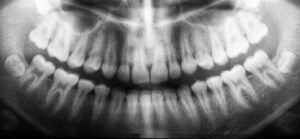
For wisdom teeth, imaging is central. A standard panoramic x ray is commonly used to evaluate the position of the teeth, roots, jawbone, and nearby nerve pathways. In selected cases, especially when lower wisdom teeth appear very close to the nerve canal, a three dimensional scan may be discussed. Not every patient needs advanced imaging, and a clinic should not oversell it. At the same time, if your anatomy looks complicated on the panoramic film, more detail can be worth it.
During the consultation, listen for specifics. Does the doctor explain whether the teeth are impacted in bone or soft tissue? Do they mention root shape, depth, angulation, or the condition of the second molar next to the wisdom tooth? Are they honest about risks such as dry socket, swelling, bruising, infection, temporary numbness, or the rare possibility of longer lasting nerve changes? Clear, measured answers usually reflect real experience.
The tone matters too. Patients often remember how they were spoken to more than the technical details. A reliable clinic does not minimize concerns or bury you in jargon. It explains the procedure in plain language and leaves room for questions. If you feel hurried, confused, or pressured to commit on the spot, that is worth noticing.
Experience is more than years in practice
People naturally ask how long a doctor has been practicing, but that question only goes so far. Someone can have many years in dentistry and still perform relatively few surgical extractions each month. Another clinician may have fewer years overall but a much heavier surgical caseload.
A better question is how often the clinic handles wisdom teeth cases like yours. There is a practical difference between removing one partially erupted upper tooth and taking out four impacted third molars under IV sedation. A clinic that manages the latter routinely is more likely to have refined systems in place, from pre op screening to recovery monitoring to after hours instructions.
Staff experience counts as well. An efficient surgical assistant can reduce stress for everyone in the room. Front desk staff who understand pre authorizations, financing, and scheduling around school or work can make the process far less frustrating. Recovery calls the next day may sound small, but they often reveal how organized and patient centered a practice really is.
One pattern I have seen repeatedly is that well run clinics tend to be predictable in the best sense of the word. They start close to the scheduled time, explain what happens next, and have a calm rhythm on procedure days. Disorganized offices, by contrast, often create anxiety before treatment even begins.
Sedation options deserve careful attention
Many patients searching for Wisdom Teeth Removal Oxnard CA want to know one thing above all else: will I be asleep? The answer depends on the clinic, the provider’s training, your health history, and the complexity of the extraction.
Some wisdom teeth can be removed with local anesthetic alone. Others are managed with local anesthetic plus nitrous oxide, oral sedation, or IV sedation. There are also cases that belong in a hospital or ambulatory surgery setting, especially when significant medical issues are involved.
The right clinic should walk you through the trade offs. Local anesthesia avoids the grogginess and fasting requirements of deeper sedation, and it can reduce cost. Sedation can make the appointment feel shorter and easier for anxious patients, but it requires additional monitoring and planning. If IV sedation is offered, ask who administers it, how the patient is monitored, what emergency equipment is on site, and what instructions apply before and after the visit.
This is not about trying to catch the clinic off guard. Competent teams expect these questions. In fact, clinics that handle sedation safely usually answer them with confidence and without defensiveness.
Cost matters, but price alone can mislead
Wisdom teeth removal fees vary for legitimate reasons. The number of teeth, whether they are erupted or impacted, the amount of bone removal required, the use of sedation, imaging, and pathology considerations can all affect the total. That is why comparing clinics based on a single advertised number can be misleading.
A low quote may reflect a simple extraction fee that does not include sedation, imaging, or follow up. A higher estimate may include everything from the surgical exam to anesthesia to post operative visits. The only useful comparison is an itemized one.
Ask for a written breakdown. It should clarify what is included, what is estimated, and what could change if the anatomy turns out to be more involved than expected. Insurance can help, but dental plans vary widely. Some have waiting periods, age limitations, annual maximums, or restrictions on anesthesia coverage. If your medical and dental coverage overlap because of a hospital based setting or a medical condition, billing can become even more nuanced.
A financially transparent clinic usually gives a better overall experience. Patients do not like surprises, especially when they arrive after surgery.
Here are five questions worth asking before you schedule:
- Is the extraction considered simple, soft tissue impacted, or bony impacted?
- What type of anesthesia is recommended, and what does it add to the fee?
- Are panoramic x rays or three dimensional scans included in the estimate?
- What does insurance cover, and what is my expected out of pocket range?
- If I have swelling, pain, or a dry socket afterward, are follow up visits included?
Those questions will not tell you everything, but they quickly reveal how clearly a clinic handles the practical side of care.
Pay attention to how the office handles risk
Every surgical procedure carries risk, even routine ones. The question is not whether risk exists. The question is how seriously the clinic takes preparation, prevention, and response.
Medical history review should be thorough. Medications, allergies, bleeding disorders, asthma, sleep apnea, pregnancy status, diabetes, high blood pressure, past reactions to anesthesia, and smoking or vaping habits all matter. Birth control, antidepressants, acne medications, and supplements can also be relevant depending on the surgical plan. If the health questionnaire feels superficial, that is not reassuring.
Smoking and vaping deserve special mention because they increase the risk of dry socket and can complicate healing. A solid clinic does not just hand over a generic instruction sheet. It explains how long nicotine should be avoided and what patients can do if quitting entirely for recovery is realistic but difficult.
Risk management also extends to timing. Not every wisdom tooth needs immediate removal. If you are in the middle of final exams, about to travel, starting a physically demanding job, or have a major life event in three days, scheduling deserves thought. Most people bounce back well, but a significant minority have enough swelling, stiffness, or discomfort to wish they had https://connerzhyu796.unionquill.com/posts/preparing-for-wisdom-teeth-removal-in-oxnard-ca left more room in the calendar. Good clinics will tell you that plainly.
Reviews can help, but they need interpretation
Online reviews are useful, just not in the way many people think. A practice with hundreds of glowing comments may still not be right for a difficult surgical case, while a smaller specialty clinic with fewer reviews may provide excellent care.
Look for patterns rather than perfection. Comments about clear explanations, easy scheduling, respectful staff, clean facilities, and smooth recovery support are meaningful. So are repeated complaints about billing confusion, long delays, rushed consultations, or poor post op responsiveness.
It also helps to separate emotional reactions from substance. Wisdom teeth removal is stressful, and some negative reviews reflect the discomfort of surgery itself rather than poor care. On the other hand, a clinic that ignores calls from a patient with uncontrolled bleeding or severe pain has a real systems problem.
If you know your case is complex, ask your general dentist for a referral. Referrals remain one of the best filters because they often reflect firsthand knowledge of who manages tricky extractions well.
Convenience should support care, not replace it
Oxnard patients often have practical concerns that shape their decision. Is the office close to home? Is parking easy? Are there appointments before school or after work? Can someone drive you home if sedation is planned? Those details matter more than people expect.
A clinic near home can be a real advantage on the day of surgery. Riding for 45 minutes while your mouth is numb and your cheeks are swelling is not ideal. It is also easier to return for a post operative check if something feels off. For parents coordinating treatment for teenagers or college age children, shorter travel can simplify the entire day.
That said, convenience should not outrank expertise when the extraction is difficult. A patient with deeply impacted lower wisdom teeth or roots near the nerve may be better off traveling a bit farther for a surgeon with a strong reputation in that exact type of case. The right balance depends on your anatomy, health, anxiety level, budget, and support system.
The recovery plan tells you a lot about the clinic
One of the clearest signs of a good office is what happens after the procedure. The surgery itself may last less than an hour. Recovery can take days to a week or more, and that is when patients need practical guidance.
A strong clinic gives instructions that are specific and readable. You should know when to use ice, when to start warm compresses, how to manage bleeding, what foods are realistic in the first 24 to 72 hours, when brushing can resume near the extraction sites, and what symptoms should trigger a call. Medication instructions should be clear, especially if alternating pain relievers is recommended.
The best post op guidance is grounded in real life. Telling people to eat soft foods is fine. Telling them that yogurt, scrambled eggs, oatmeal, smoothies eaten with a spoon, mashed potatoes, soup that is not too hot, and pasta cut small are common early options is better. Specificity reduces anxiety.
These are signs that a clinic has thought through the recovery experience:
- written instructions that match what the team explains verbally
- a direct number for urgent after hours concerns
- realistic guidance about pain, swelling, jaw stiffness, and bad breath during healing
- prompt availability for follow up if symptoms worsen
- no pressure to downplay complications or wait too long when something feels wrong
Patients remember whether they felt looked after once they got home. That part of care is easy to undervalue until you need it.
Situations that deserve extra caution
Certain patients should be especially selective about where they go. Adults in their late twenties and older often have denser bone and sometimes tougher recoveries than teenagers. Patients with diabetes, clotting issues, immunosuppression, a history of difficult anesthesia, or severe dental anxiety benefit from clinics that are comfortable managing complexity. The same is true for anyone who has had repeated infections, cyst concerns, or damage to the second molar next to the wisdom tooth.
Age alone should not scare anyone, but it changes the conversation. Younger patients often heal faster and may have simpler root development if removal is done before the roots fully mature. Older patients can still do very well, but planning becomes more individualized. A clinic that treats all wisdom teeth cases as interchangeable is missing something important.
How to make the final decision
By the time you narrow your options, the choice usually comes down to a few essentials: confidence in the clinician, clarity about the plan, transparency about cost, and trust in the office’s follow through. If one clinic is slightly cheaper but leaves basic questions unanswered, that is not necessarily a bargain. If another takes time to explain the imaging, sedation, recovery, and financial details without pressure, that often signals better overall care.
For many Oxnard families, the right clinic is the one that combines surgical judgment with solid logistics. It is not always the fanciest office or the most heavily advertised name. Often, it is the practice where the consultation feels measured, the team is organized, the estimate is clear, and the doctor explains your specific case rather than speaking in generalities.
When searching for Wisdom Teeth Removal Oxnard CA, think beyond who can schedule you fastest. Look for the clinic that treats wisdom teeth removal as both a surgical event and a patient experience. That balance is what usually leads to the smoothest recovery, the fewest surprises, and the most confidence walking into the procedure.
Oxnard Dentistry
1730 E Gonzales Rd
Oxnard, CA 93036, United States
Phone: +1 805-307-8731
FAQ About Wisdom Teeth Removal Oxnard CA
How much does it cost to get wisdom teeth removed in California?
Fees depend on tooth position, the number of extractions, imaging and anesthesia. Oxnard Dentistry can provide an individual estimate after examining your teeth. Ask for an itemized plan and confirm insurance benefits before scheduling.
Will insurance cover wisdom teeth removal?
Coverage and out-of-pocket costs vary by policy and the treatment required. Ask the dental office and your insurer to verify benefits, annual limits and any authorization requirements. A benefit estimate does not guarantee payment.
Is 30 too old to have wisdom teeth removed?
Age alone does not determine whether extraction is appropriate. A dentist evaluates symptoms, tooth position, oral health and medical history. Healthy, functional wisdom teeth may be monitored; teeth causing disease or other problems may need treatment.